Sub-Total: $0.00
WWI Poppies in No Man’s Land
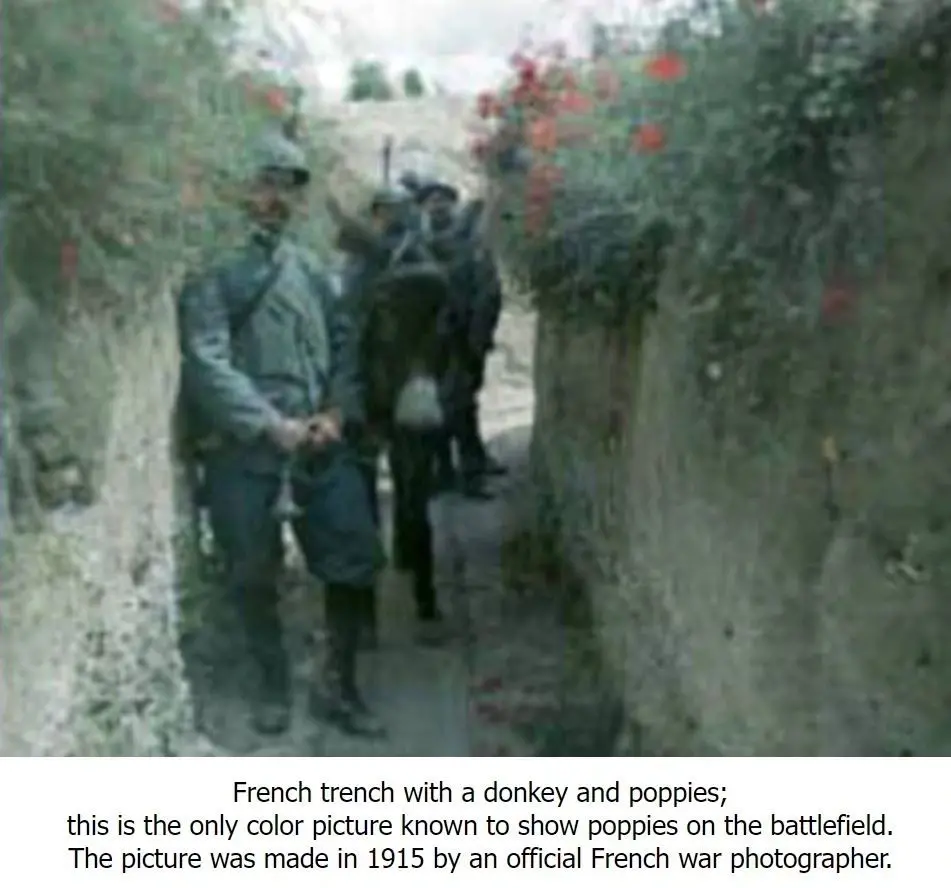
The 2023 season was so hectic, but we got a LOT done! The wildfire smoke and drought didn’t make it any easier. We did more planting and putting in infrastructure again than selling, but the perennials we planted will pay dividends for years to come! I am so looking forward to 2024, and sharing more flowers with our community. (Heading photograph credit: https://www.flandersfieldsmusic.com/ww1-photos.html)
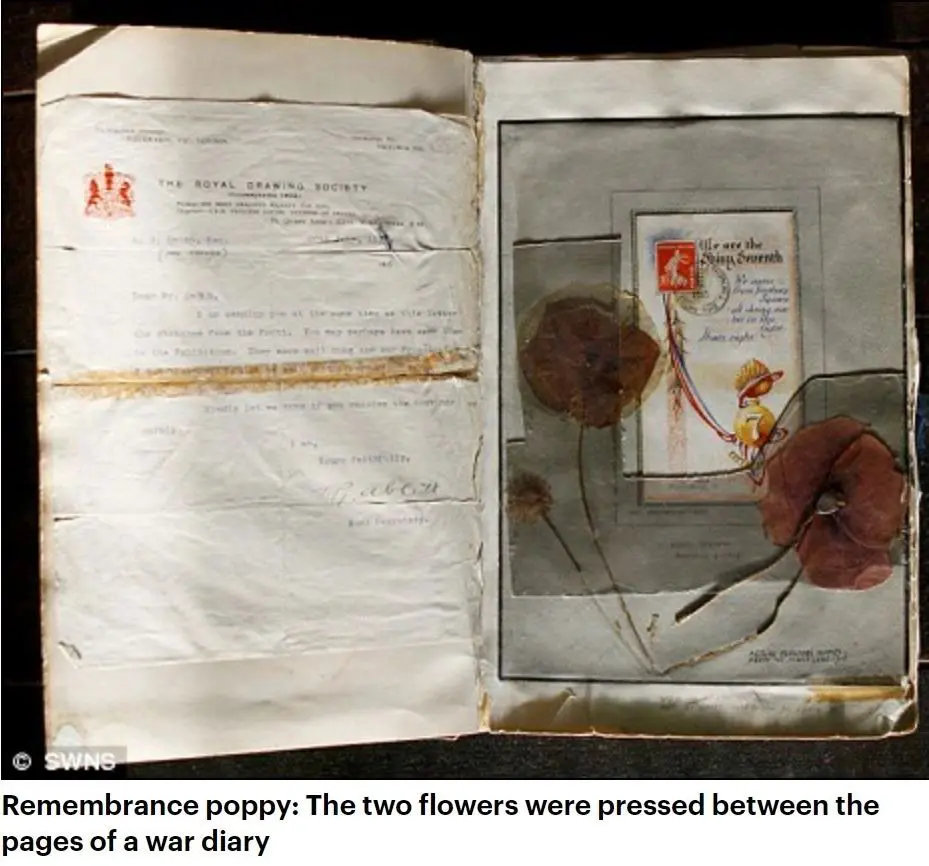
What inspired this post? An interesting fact I heard on one of the many gardening and flower farming podcasts I listen to, Sarah Raven’s Grow, Cook, Eat, Arrange. During World War I, the bombing pulverized the soil of the battlefields overseas, and we often see the disturbing black and white photos. But what I never knew was that poppy seeds sleeping in the seed bank of the soil were some of the first things to pop up in the void left after the bombing. Soldiers would often encounter these flourishes of red poppies coloring the fields. Many of them pressed them into letters home or into their diaries.
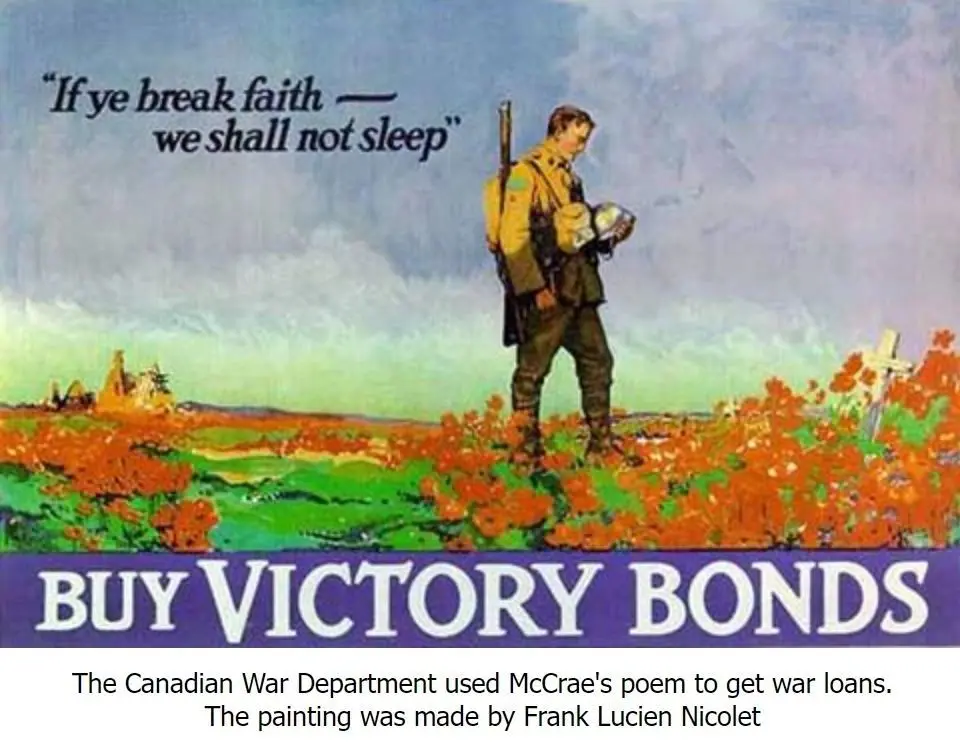
Canadian physician, Dr. John McCrea, wrote a poem while serving in Europe in 1915 entitled “In Flanders Fields” which begins as such, “In Flanders fields the poppies blow, between the crosses, row on row…” https://www.flandersfieldsmusic.com/thepoem.html Dr. McCrea’s poem was published, and over several years became a very popular war memorial poem. The Canadian government had a painting commissioned (image 4), and it inspired fund raising for the war effort.
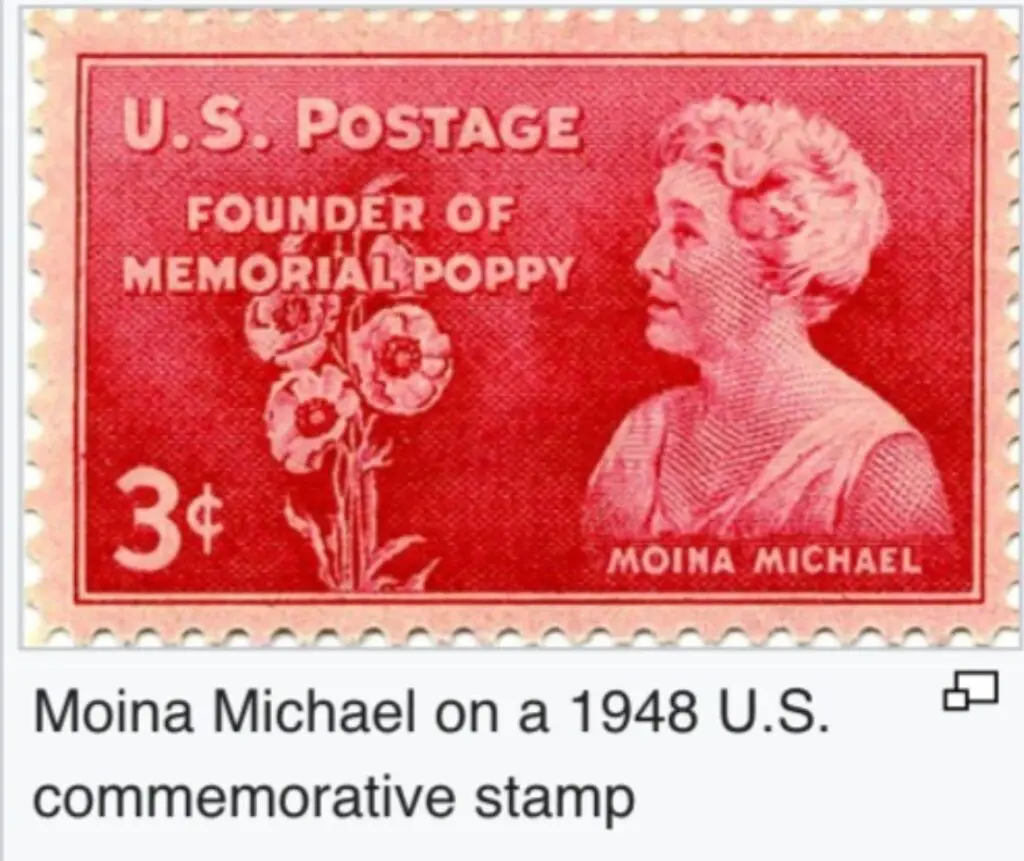
In 1918 Dr. McCrea’s poem and the image now associated with it made its way to the attention of an American woman, Moina Belle Michael, who had volunteered to train overseas YMCA workers during the war. She was so moved by the poem, that she vowed to always wear a poppy in remembrance of the brave servicemen and women, and was inspired to write her own poem in response, “We Shall Keep the Faith”. http://www.greatwar.co.uk/poems/moina-michael-we-shall-keep-faith.htm
Moina was a professor and taught disabled veterans at the University of Georgia after the war, which is when she realized our veterans needed help and support. She pursued the idea of selling silk poppies in remembrance and fundraising for those veterans, and in 1921 this was adopted by the American Legion, and other organizations around the world. You can learn more about her from her autobiography “The Miracle Flower”.
World War I ended on November 11, 1918. Since that time, paper or silk poppies are often sold and worn around that day, now known as Veterans Day, or as Remembrance Day in Canada, the UK, and countries around the world. Unfortunately, Dr. McCrea died of pneumonia and meningitis in Belgium during the war, January 1918, but his legacy lives on still. Now you know “the rest or the story”.
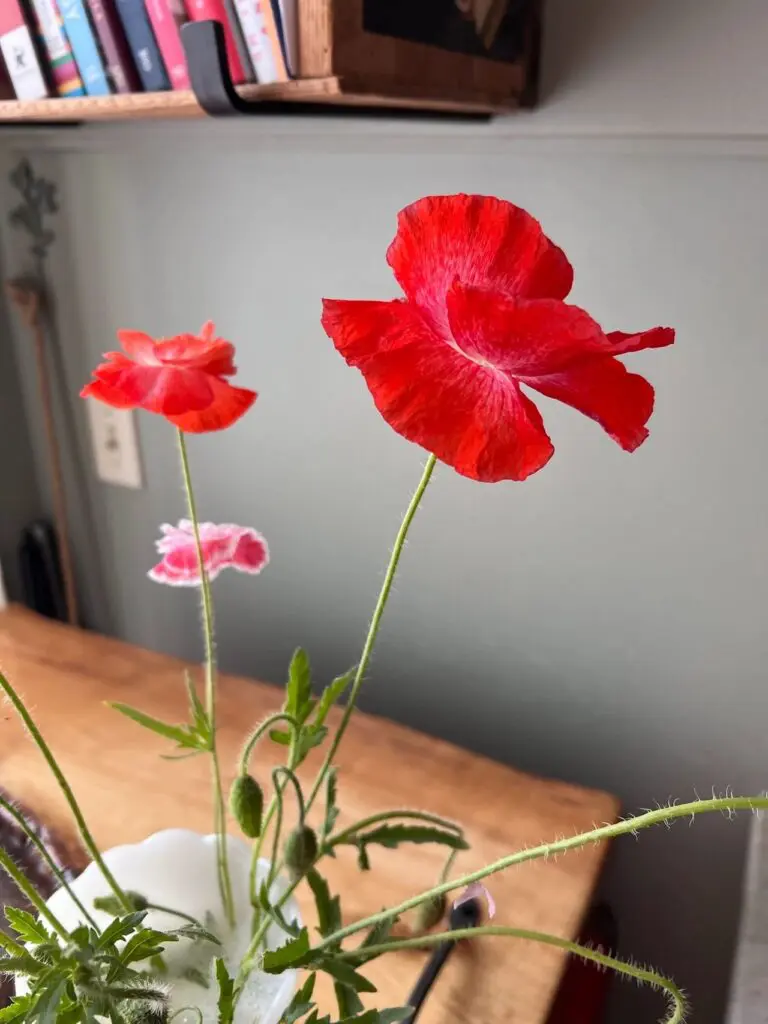
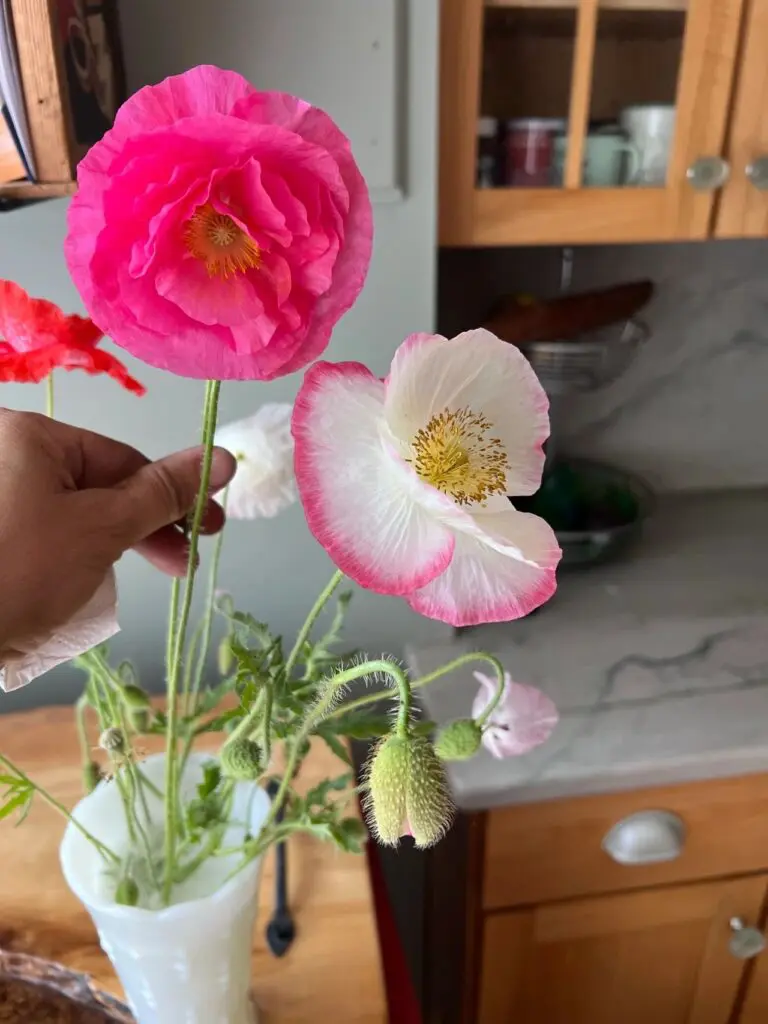
I grew poppies for the first time in 2022, and my gosh the ephemeral papery petals are gorgeous. There are many different types of poppies: California Poppies, Oriental Poppies, Breadseed Poppies, Iceland Poppies, Shirley Poppies, etc. They are a staple in cottage gardens. I brought home poppy seeds from our trip to New Zealand and grew those this season. I learned from my mother that poppies were also quite prevalent in the old country where my Great Grandmother immigrated from as a teenager, now known as Slovakia.
Flowers are nostalgic to each one of us in their own personal way. Flowers are interwoven with the stories of our lives, and our ancestors. Learning more of those stories deepens my affection for the flowers when I see them bloom, and motivates me to keep the blooms coming. I hope you enjoyed this little snippet of history. Which flower is most nostalgic to you?