Sub-Total: $0.00
Brave Little Seeds
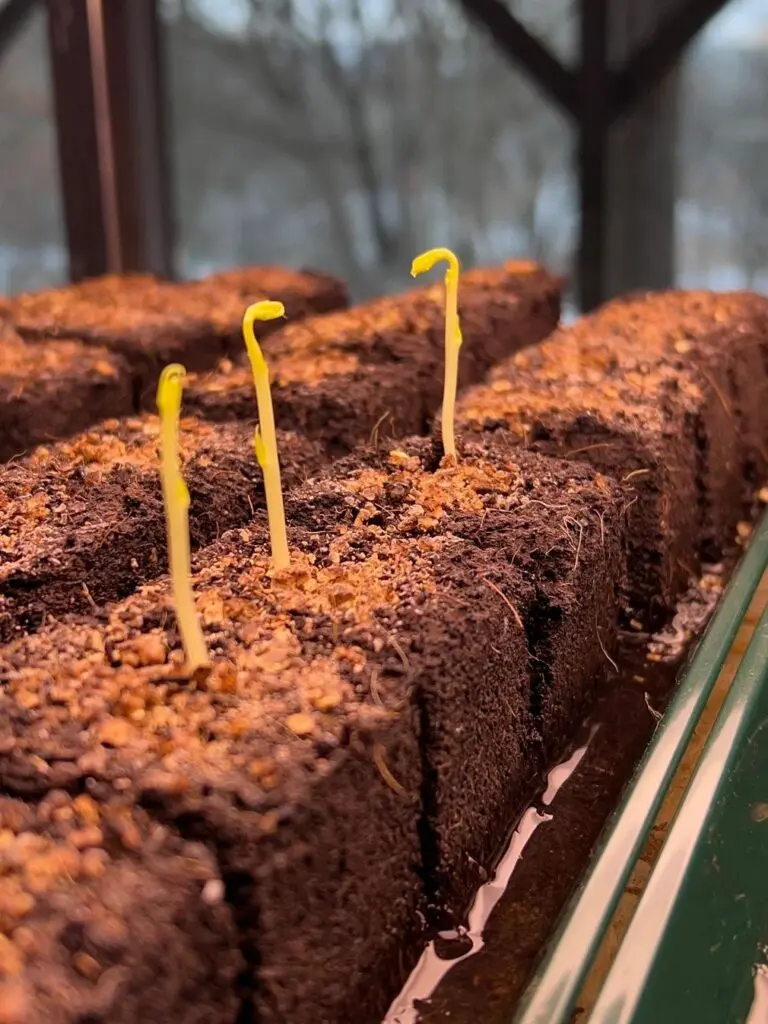
The Spring Equinox seemed like the perfect time to start anew with newsletters about the farm, and your farmers, Deb and Joel. Equinox comes from Latin meaning equal night. Day and night are roughly equal today and we will start to experience more daylight than darkness now each day. Doesn’t that just make you smile?
Even though there is snow outside still hanging on, my little seeds are sprouting inside, getting a jump start on the spring. Every time I plant seeds and see them sprout, it seems magical to me. Every single time. I get so excited, like a proud mama.
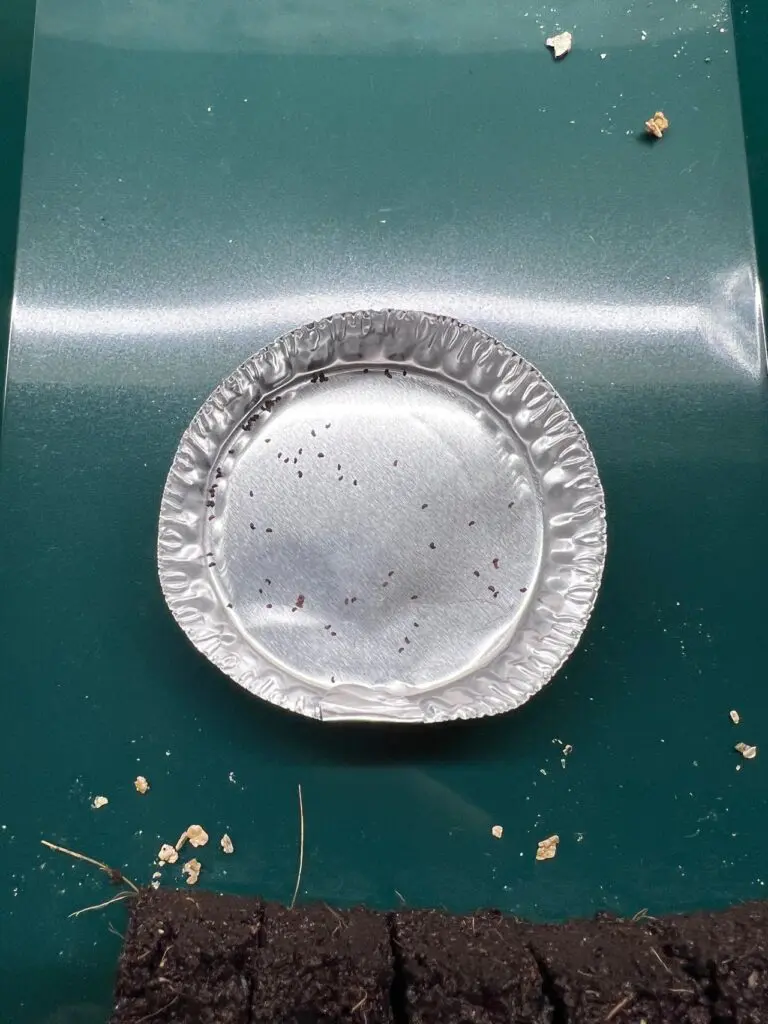
Seeds are living beings. They respirate. They having living tissue inside that hard coating. These little seeds only get one chance, that is if they don’t die before conditions are right for them to germinate. Because although seeds are alive when they are formed, and can live dormant in the seed bank of the soil for a long time, they can also die.
I feel sometimes like I’ve been hiding in my hard coating. To emerge from that is to be vulnerable. I am going to be vulnerable with you in these letters. My hope is that you will get to know us better, and how much we love our little farm, and the flowers we grow, and each other. My hope is that you will also learn some pearls about nature, gardening, science, and how to tend your own garden.
I have learned so much, but I am still learning, and making mistakes, and trying again. Nature and the forces of life are powerful, and even when I make mistakes, more of my little babies in the garden live than die. Don’t be afraid to enter into that dance with nature. It brings surprise, wonder, and joy. Be brave like the little seeds taking their one chance to survive and thrive.
Until next time, here are some fun facts about my seed starting in soil blocks below. I hope you can share in the beauty of the process. Deb
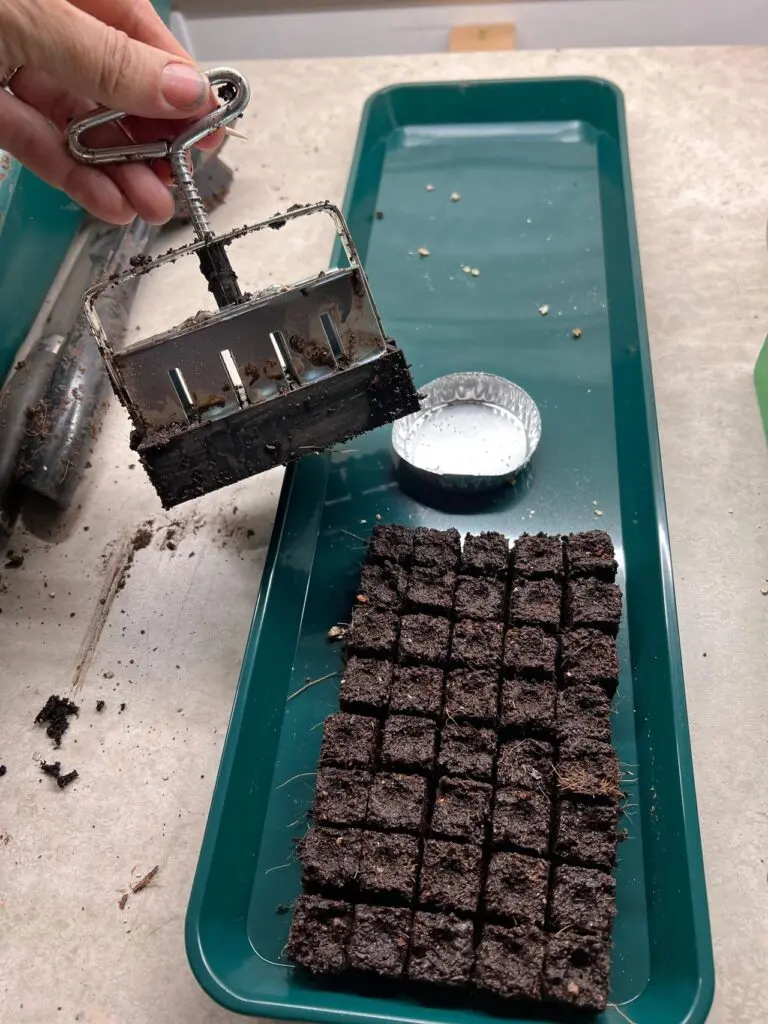
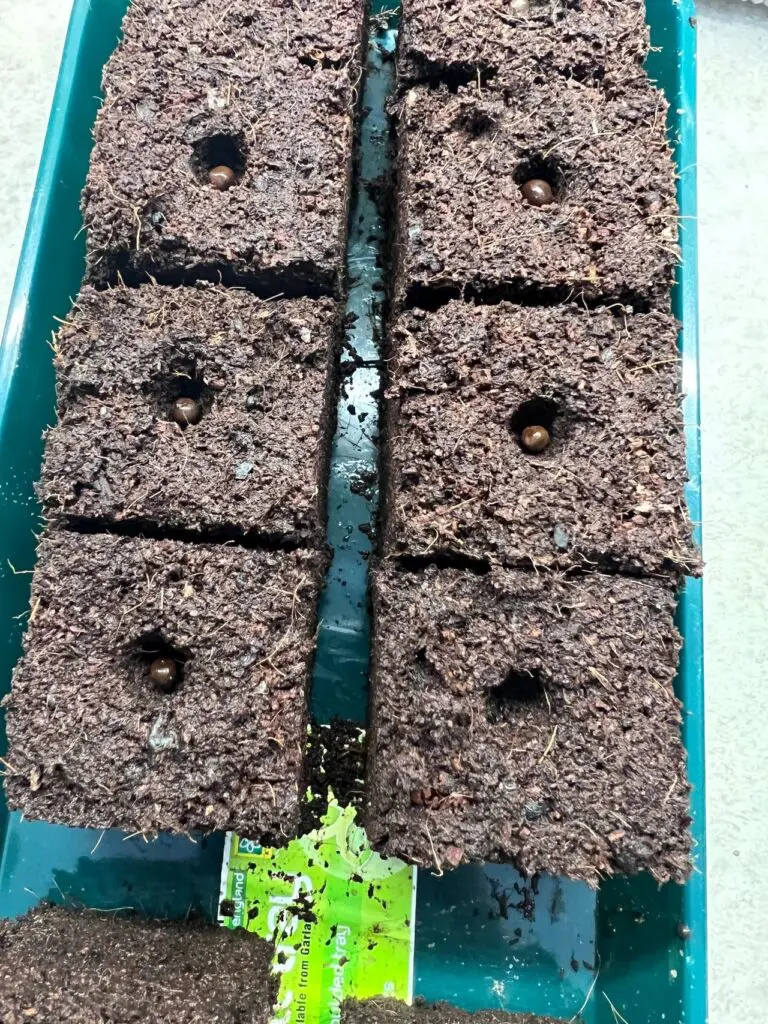
· This was my first year starting seeds in soil blocks instead of plastic, and it was way easier than I anticipated!
· Not only does it eliminate the plastic waste, but also makes for healthier seedlings. In plastic the roots will continue to grow and twist and get root bound, which makes for more shock to the plant when you transplant it out. With soil blocks the roots are “air pruned”. The roots grow to the edge of the soil block and then stop when they reach the air. These little seedlings will have much less shock when transplanted outside, making for healthier plants
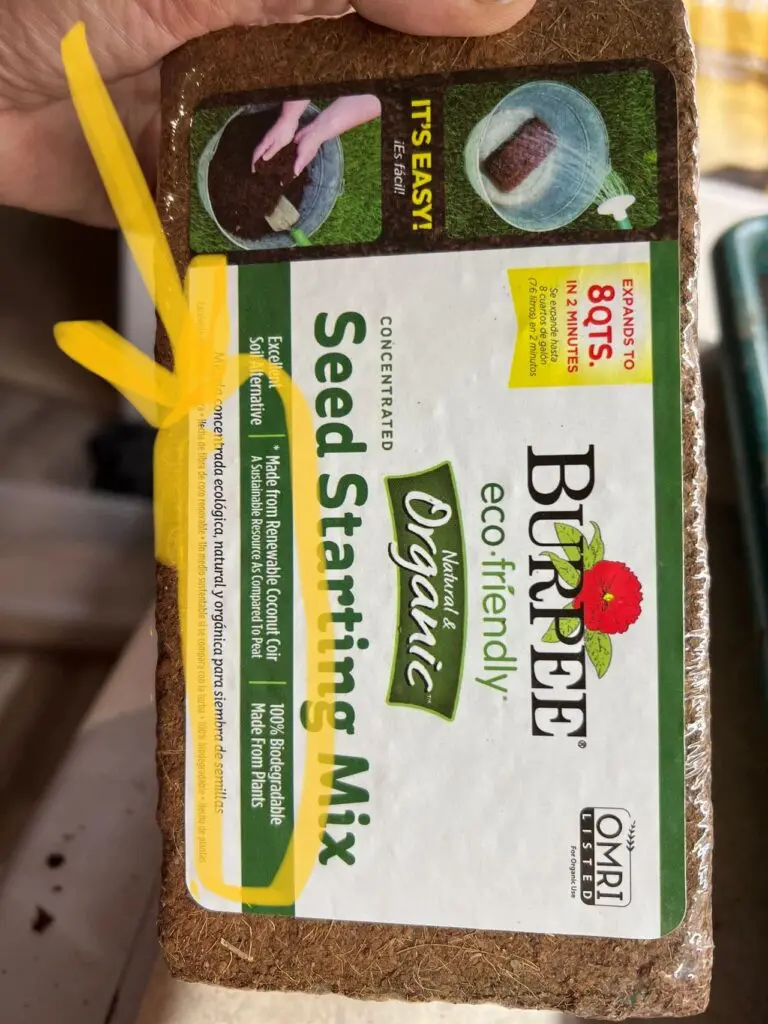
· Several friends commented that it looks like I’m making cake when soil blocking, and it sort of feels like baking too. There are different recipes for your blocks, but in short, you don’t want to use potting soil, it won’t hold the shape well enough. I use 16 cups coconut coir (a renewable resource, unlike peat moss), 4 cups sifted compost, 1 cup Biochar, and half a cup of Nutrient Mix from The Gardener’s Workshop consisting of Greensand and Rock Phosphate.
· I may or may not sprinkle vermiculite on the tops, I’m experimenting with both practices to see which works best for me, or for which seeds.
· I learned the basic technique from Lisa Mason Ziegler at The Gardener’s Workshop. Check her out at www.thegardenersworkshop.com
· When mixing the ingredients with some water, getting it just the right consistency, you can use various tools, but I have to say, it brings me joy just to get my hands in there and get a little dirt under my nails. It feels good for me spiritually and physically. I am a kid playing in the dirt again, being creative and hopeful. Be brave like the little seeds and give it a try!